
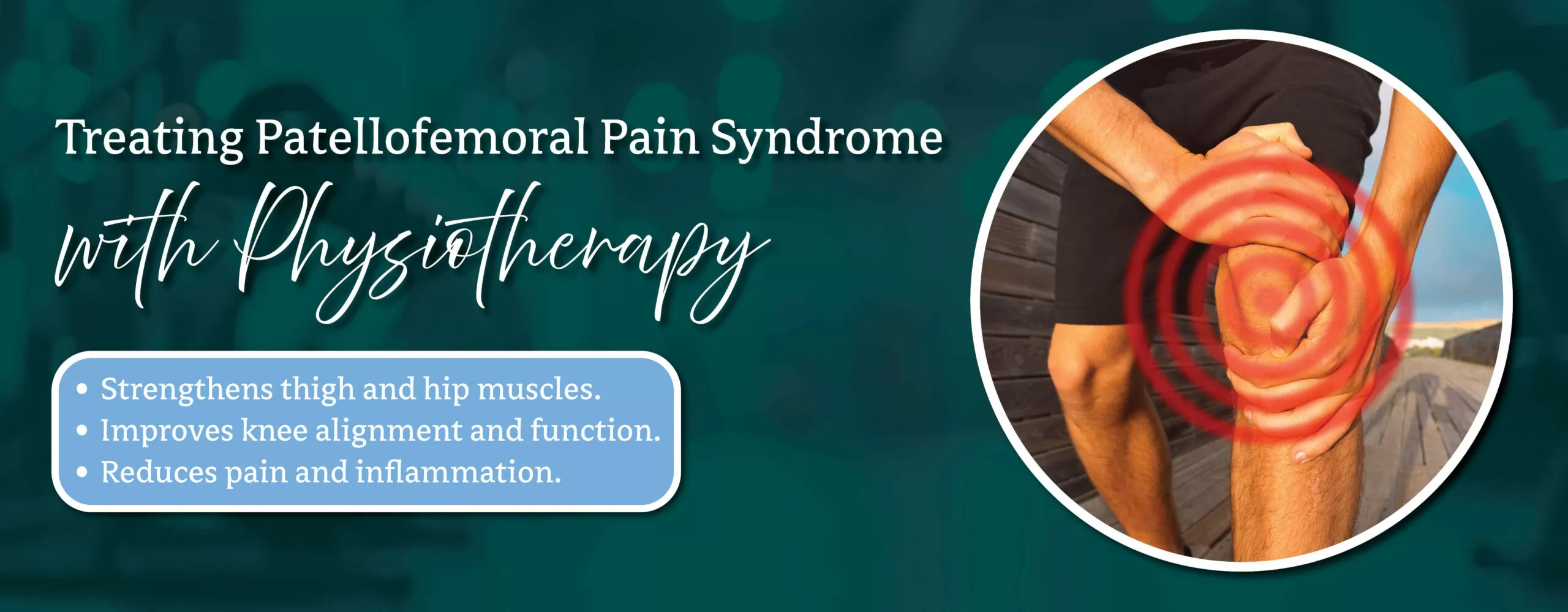











Knee pain can be frustrating, especially when it seems to come out of nowhere. If you experience pain around or behind your kneecap, particularly when walking upstairs, squatting, or sitting for long periods, you might be dealing with patellofemoral pain syndrome.
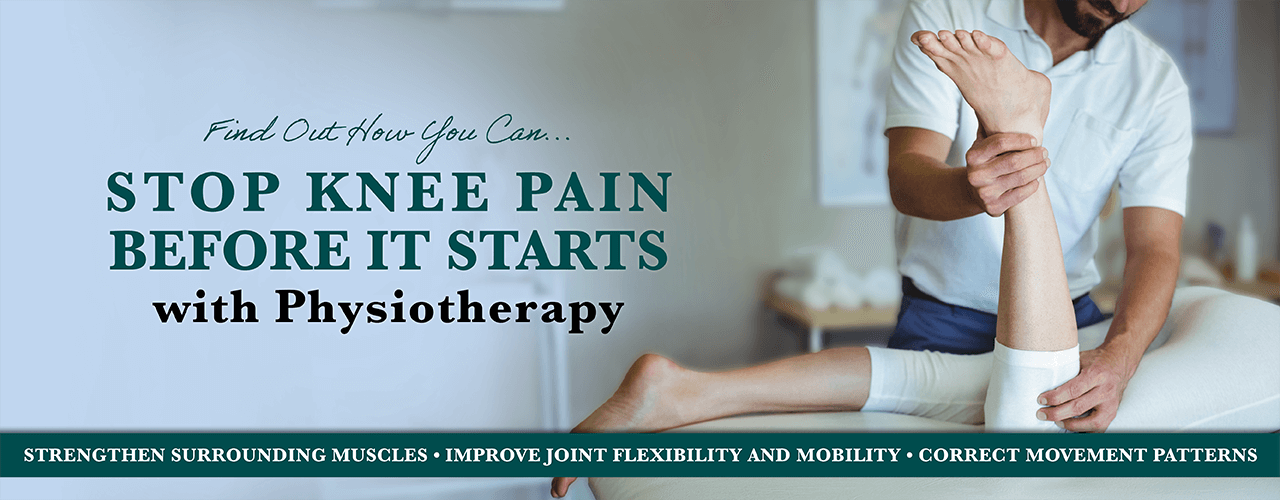
This condition is one of the most common sources of knee pain in both active and non-active individuals. While it may feel discouraging, physiotherapy offers a clear path to recovery by addressing muscle imbalances, movement patterns, and joint mechanics.
Below is a practical checklist that outlines steps to manage and prevent patellofemoral pain syndrome.
Check List To Manage Pain Relief
1. Find the Root Cause of Your Knee Pain
Before jumping into treatment, understanding why your knee hurts is essential. Patellofemoral pain syndrome often results from:
- Muscle imbalances that cause poor kneecap tracking.
- Overuse or repetitive movements that overload the knee joint.
- Weakness in the hip and thigh muscles, reducing knee stability.
- Improper footwear or biomechanics that put excess stress on the knee.
- Prolonged sitting or kneeling may lead to discomfort when resuming movement.
A physiotherapist evaluates knee function, muscle activation, and movement patterns to determine the root cause and create a targeted plan for recovery from patellofemoral pain syndrome.
2. Keep Moving—But Do It Smartly
Many people think that resting completely will heal their knee, but prolonged rest can lead to stiffness and muscle weakness. Instead, controlled movement helps maintain joint health:
- Low-impact activities such as walking or cycling keep the knee engaged without excessive strain.
- Movement modifications reduce unnecessary pressure while allowing normal function.
- Gradual return to activity ensures the knee adapts without increased pain.
- Avoiding sudden spikes in physical activity prevents further irritation of the patellofemoral joint.
A physiotherapist helps patients find the right balance between activity and rest, ensuring that movement supports healing.
3. Strengthen the Right Muscles for Better Knee Support
Your kneecap doesn’t work alone—it depends on strong and balanced muscles to stay properly aligned. Weakness in key areas can cause increased pressure and irritation, leading to patellofemoral pain syndrome. Focus on strengthening these areas:
- Quadriceps strength helps guide the kneecap during movement.
- Glute activation supports proper knee alignment and reduces strain.
- Core stability improves posture, reducing unnecessary knee stress.
- Calf and ankle strength contribute to shock absorption, protecting the knee.
A physiotherapist designs a strengthening program tailored to individual needs, helping patients regain stability and function.
4. Improve Knee Alignment and Movement Patterns
Sometimes, it’s not just about strength but how the knee moves. Poor movement patterns can lead to excessive pressure on the patellofemoral joint, contributing to pain.
A physiotherapy assessment focuses on the following:
- Walking and running mechanics to identify inefficient movement.
- Postural alignment to prevent excessive knee strain.
- Muscle activation sequencing to ensure proper movement control.
- Correcting poor squat or lunge techniques that contribute to knee pain.
By correcting these mechanics, patients reduce knee stress and prevent future flare-ups.
5. Modify Daily Activities to Reduce Knee Strain
Small adjustments in everyday movements can make a big difference in knee comfort. Repetitive habits (i.e., standing with locked knees or improper stair use), can contribute to patellofemoral pain syndrome over time. Simple changes include:
- Using proper knee alignment when standing or walking.
- Adjusting sitting posture to reduce kneecap pressure.
- Taking frequent breaks from prolonged sitting or kneeling to avoid stiffness.
A physiotherapist guides patients through ergonomic modifications, ensuring knee-friendly movement patterns throughout the day.
6. Reduce Knee Swelling Without Over-Reliance on Ice
While ice can temporarily reduce pain, it does not resolve inflammation long-term. Many people turn to ice without addressing the underlying cause of their knee discomfort. Instead, physiotherapists recommend:
- Compression therapy to minimize excess fluid buildup.
- Gentle movement-based recovery that promotes circulation.
- Joint mobilization techniques to relieve stiffness and discomfort.
- Hydration and proper nutrition to support the body’s natural anti-inflammatory response.
By prioritizing active recovery techniques, physiotherapy helps patients maintain long-term knee health without relying solely on short-term relief methods.
Final Takeaway: Small Changes Make a Big Difference
Living with patellofemoral pain syndrome doesn’t mean giving up on daily activities. Targeted physiotherapy strategies help reduce pain, improve function, and prevent recurrence.
At Ace Physique, our physiotherapists create individualized treatment plans to help patients move with confidence and comfort. Whether you’re struggling with knee pain from exercise or daily activities, we’re here to help.
Book an appointment today and take the first step toward pain relief!


Leave a Reply