Feature of the Month

Jaw Pain, Headaches, and Ear Symptoms: The Connection You Might Be Missing
Headaches that won’t settle. A sense of fullness or ringing in the ears. Pain that seems to move from your jaw to your temples or neck. It might surprise you that these three symptoms can share a common source: the TMJ (temporomandibular joint).
You have two TMJs, and they connect your jaw to your skull. These joints work every time you talk, chew, yawn, or clench your teeth. However, when the joint or surrounding muscles are irritated, strained, or poorly coordinated, the effects can extend far beyond the jaw.
The good news? The multidisciplinary team at Ace Physique can help address dysfunction in your TMJ–and help you find relief no matter where your symptoms are presenting.
How Do I Know if My Headaches or Ear Pain Are Caused by My TMJ?
Because of the TMJ’s close relationship with the head, neck, and ears, problems here often show up as symptoms elsewhere. Fortunately, headaches and ear pain linked to the TMJ usually follow specific patterns. Here’s what you need to know.
Headaches
The jaw muscles share nerve pathways with the muscles of the head. When these muscles become tense or overworked, they can refer pain upward, creating tension-type headaches or migraine-like symptoms. Look for:
- Pain around the temples, forehead, or behind the eyes
- Headaches that worsen with chewing, talking, or yawning
- Morning headaches linked to nighttime clenching or grinding
- Tenderness in the jaw muscles or temples when pressed
Ear Issues
The TMJ sits just in front of the ear canal, so when irritation in the jaw affects nearby nerves and tissues, it’s easy to experience symptoms that seem to be coming from the ear. Common signs include:
- A feeling of fullness or pressure in the ear
- Ringing or buzzing sounds
- Ear pain without signs of infection
- Clicking, popping, or grinding sounds when opening the mouth
Other Signs of TMJ Issues
One of the easiest ways to determine TMJ involvement is to see if you’re experiencing jaw-specific symptoms, including:
- Jaw stiffness or locking
- Limited mouth opening
- Neck or shoulder tension
- Pain that shifts sides
Finding Relief with the Integrated Team at Ace Physique
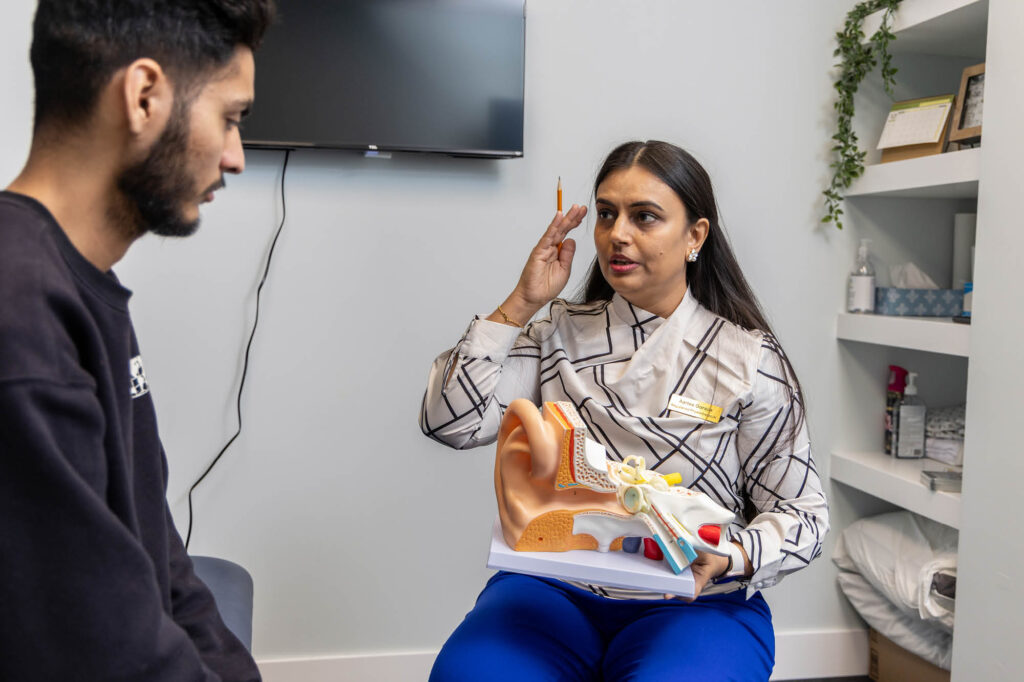
At our clinic, we address TMJ dysfunction with a coordinated, whole-body approach. Your care focuses on determining the underlying cause of your TMJ dysfunction (whether muscle tension, improper movement patterns, or something else) and creating a personalized plan to reduce pain, restore normal movement, and prevent symptoms from recurring.
Here’s what that plan might include:
Acupuncture
Acupuncture can help calm irritated nerves and reduce muscle tension linked to TMJ dysfunction, helping to alleviate pain intensity, reduce headaches, and improve jaw comfort.
Massage Therapy
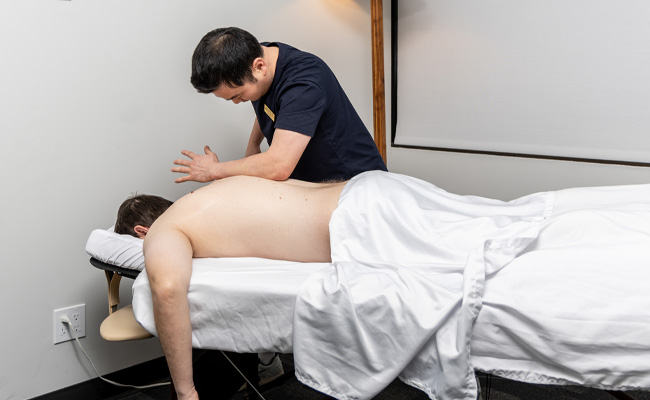
Our massage therapists can target the muscles that overload the TMJ. Releasing these muscles eases pressure on the joint and reduces referred pain to the head and ears.

Chiropractic Care
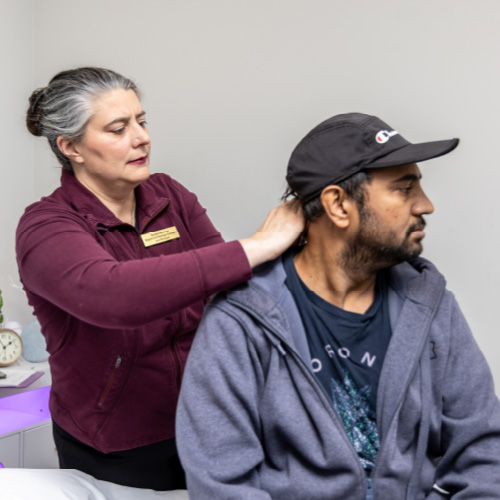
Chiropractic care addresses joint motion in the jaw, neck, and upper spine, which can help decrease nerve irritation that contributes to head and facial pain.
Depending on your needs, this may involve joint adjustments to improve movement and alignment or techniques to reduce mechanical stress on the TMJ.
Physiotherapy
Physiotherapy plays a central role in TMJ care. It aims to improve movement in the TMJ through hands-on techniques, targeted exercises, postural training for the head, neck, and shoulders, and education on habits that can contribute to symptoms, such as jaw clenching.
Improving how the jaw moves and how surrounding muscles support it can reduce headache frequency and ease ear-related symptoms.
Don’t Let Jaw Dysfunction Impact Your Quality of Life
Jaw pain, headaches, and ear symptoms are often connected, even if they seem unrelated. Our multidisciplinary team can help you understand your specific symptoms and their causes, which is the first step toward finding long-term relief.
If your headaches or ear symptoms have been lingering without clear answers, your jaw may be part of the picture. Schedule an appointment with Ace Physique today for an initial assessment and to learn more about how we can help.
More to Explore
Three Unique Techniques to Address TMJ Dysfunction
At Ace Physique, we take pride in offering innovative treatment options as part of our comprehensive, integrated care plans. And when it comes to the TMJ, we know that hands-on and needle-based therapies can often make a meaningful difference.
Here are three options that we might suggest to help alleviate TMJ dysfunction:
Active Muscle Release
Sometimes, the muscles that control jaw movement can become restricted due to clenching, grinding, stress, or injury. For many people, this is actually the main driver of TMJ pain, so releasing these restrictions plays an important role in relief.
Active muscle release is a hands-on technique in which one of our therapists applies precise pressure to the muscle while you gently move the jaw or neck. This process helps:
- Reduce muscle tension pulling on the jaw joint
- Improves jaw opening and closing control
- Decreases referred pain to the head, face, and ears
Dry Needling
Sometimes, TMJ dysfunction can stem from trigger points: tight knots in the muscles and connective tissue that cause both local and referred pain (such as TMJ-related headaches).
Dry needling utilizes a thin, sterile needle to stimulate the muscle, causing the trigger points to contract and then relax. This helps:
- Reduce jaw muscle guarding
- Calm irritated nerves linked to headaches
- Improves movement with less effort
Acupuncture
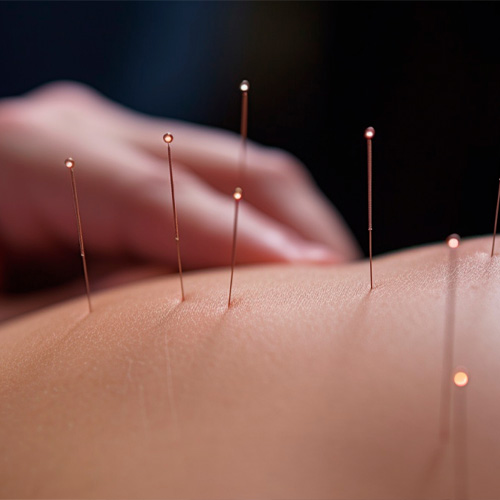
Acupuncture is similar to dry needling (both involve inserting needles into key points in the body). However, it works throughout the entire nervous system to encourage the body to release endorphins, the body’s natural pain relievers, and improve muscle tension and stress responses. This can help:
- Lower jaw and neck muscle tension
- Reduce headache frequency
- Support long-term pain regulation
Which Techniques Are Right For You?
The Ace Physique team can help you answer that question. In most cases, a combination of treatment techniques is most effective. Call us today to get started with your personalized care plan!
Exercise of the Month
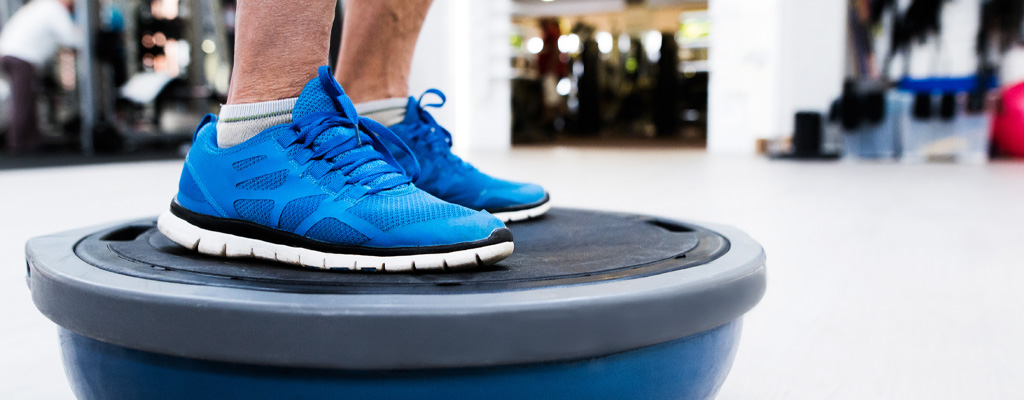
NECK GLIDE
Stand tall with your shoulders relaxed and your head in a neutral position. Gently draw your head straight backward, keeping your chin level—like you’re trying to make a double chin. Avoid tilting your head up or down. Hold briefly, then return to the starting position.
3 Sets, 10 Reps.
Service Highlight
Service Spotlight: Shockwave Therapy
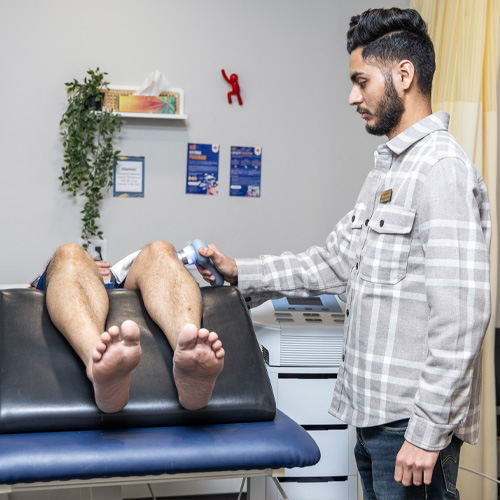
Dealing with persistent pain can be frustrating, especially when it makes active treatments like exercise more difficult. That’s why we often recommend shockwave therapy as another option when pain lingers and movement feels limited.
What Exactly Is Shockwave Therapy?
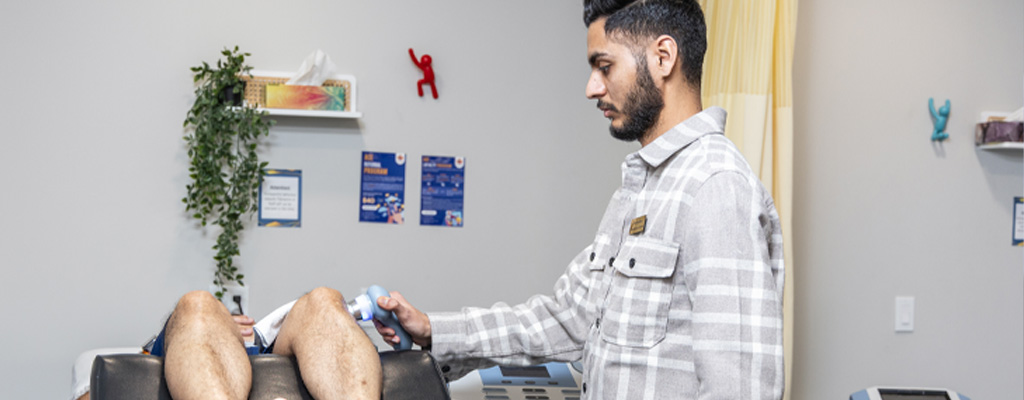
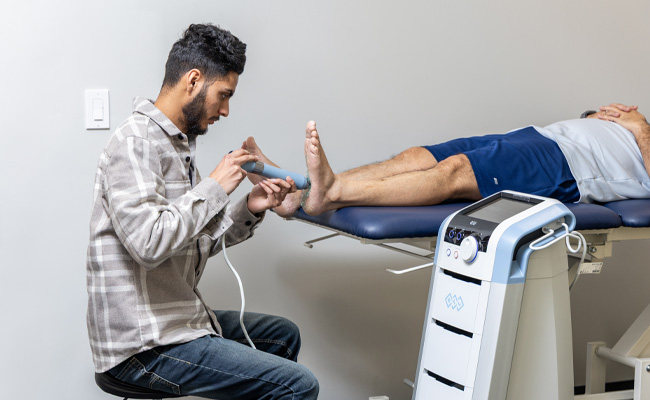
Don’t let the name alarm you: shockwaves are controlled sound waves that can pass through your skin and stimulate healing in the targeted area, namely muscle and tendon tissue. This triggers several helpful responses:
- Increases local blood flow
- Stimulates tissue repair at a cellular level
- Reduces pain signals sent to the brain
- Helps break down tight or irritated tissue
Over time, the damaged tissue becomes more flexible and better able to tolerate load.
When Do We Recommend Shockwave Therapy?
Shockwave therapy is commonly used for long-standing tendon and muscle conditions, making it helpful for people dealing with:
- Chronic tendon pain, such as plantar fasciitis or Achilles pain
- Shoulder pain, including calcific tendinopathy
- Elbow pain, like tennis or golfer’s elbow
- Hip pain related to tendon irritation
- Ongoing muscle tightness that has not responded to other care
What to Expect During Treatment
At Ace Physique, we use shockwave therapy as part of a comprehensive treatment plan. It complements active rehabilitation by facilitating your body’s natural healing process, making movement, strength, and daily activities feel easier again.
Treatment sessions are typically brief, lasting 5-10 minutes, and you’ll undergo a series of sessions spaced over several weeks (the exact duration will depend on your individual needs). The process is entirely noninvasive, and there’s no downtime after sessions.
Ready to Take the Next Step?
If ongoing pain has limited your progress, shockwave therapy at Ace Physique could be exactly what you need. Schedule an appointment to determine if shockwave therapy is right for you!

Share Your Success Story
Love your experience with Ace Physique? Click the button to leave us a Google review—your feedback helps others find the care they need!
Seasonal Tips

Tips for A Heart-Healthy Valentine’s Day!
This year, don’t forget the most important Valentine of all: your heart! With February being the month of love and Canadian Heart Month, here are a few tips to combine them into one fabulous celebration:
Try a heart-healthy treat:
Take a ballroom dance class with your sweetheart:
Sink into a relaxing bubble bath:
Want more healthy heart tips this February–or any month of the year? Schedule an appointment with Ace Physique today!
February Word Scramble
lotacehoc
eeanlnitv
bauefrry
iprdinehfs
iwentr
aceornm
Answer Key
chocolate
valentine
february
friendship
winter
romance
Patient Testimonial
What Our Patients Are Saying

“I was suffering from terrible vertigo and had seen another physio with no help. I came here and Aartee was amazing. She was able to diagnose and treat me and help me live a normal life again. Would highly recommend for anyone with vertigo.”
-Robbie J.

Ace Referral Program
We believe that great things should be shared! That’s why we’re excited to introduce the Ace Referral Rewards Program, designed exclusively for our valued clients like you!
Invite a friend or family member to join us, and both of you will get $40 off! Your friend will receive $40 off their first visit, and once they come in, you’ll get $40 off your next visit as a thank you.
Follow Us on Social Media!