Feature of the Month
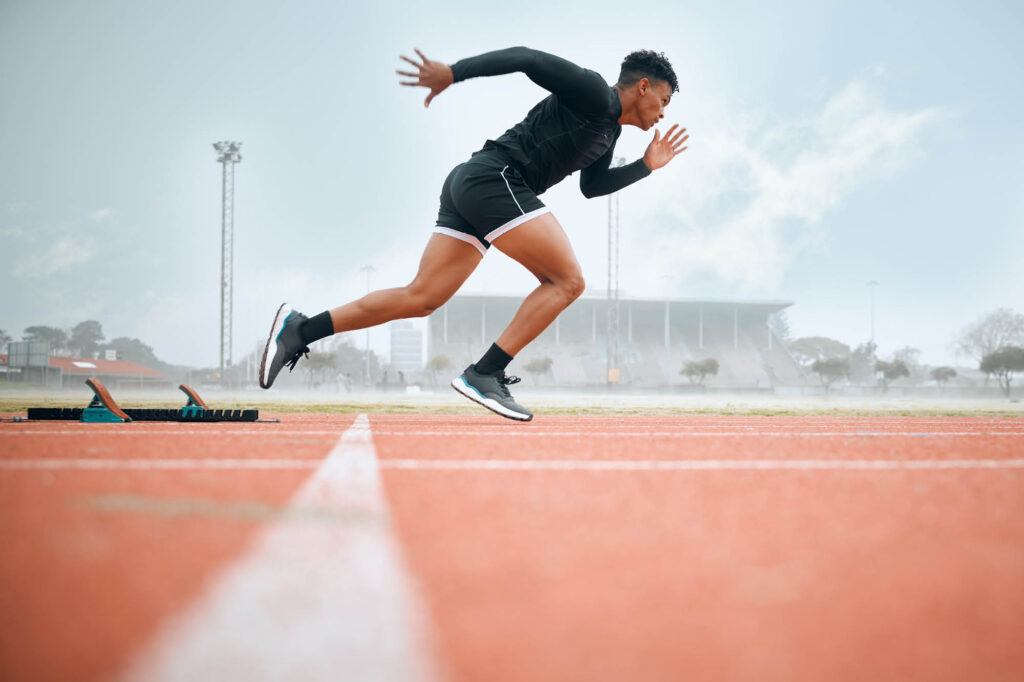
Spring Running & Runner’s Knee: What You Need to Know
The weather is finally warm enough for runners to hit the pavement! We know you’re excited to start your spring training, but it’s important not to dive in too enthusiastically, especially if you took things easy during the winter.
Why? Because as you increase your mileage or deal with rougher outdoor terrain, you run the risk of developing runner’s knee, one of the most common sources of knee pain among runners.
At Ace Physique, we see this condition every year. But we also know that a personalized treatment plan combining physiotherapy, chiropractic, massage therapy, and acupuncture can help you get back to your routine.
A Closer Look at Runner’s Knee
Runner’s knee refers to pain around or behind the kneecap. Runners aren’t the only ones who can get it, although they are more susceptible due to the repetitive strain running puts on the kneecap. When everything’s working correctly, the kneecap should glide smoothly as you bend and straighten your knee. But if that movement becomes irritated or slightly misaligned, pain develops.
Why Does Spring Training Trigger Runner’s Knee?
Runner’s knee is often caused by training errors:
- Increasing running distance too quickly
- Adding hills or speed intervals
- Switching from a treadmill to outdoor pavement
- Wearing worn-out shoes
- Returning to running after some time away
The impact of these errors can be compounded by lower-body muscular weakness. Whenever you run, your knee absorbs repeated load with every stride. If your hips, glutes, and core are not controlling that load effectively, stress shifts to the kneecap, where it can become irritated over time.
Weak hip muscles, tight quadriceps, reduced ankle mobility, and poor movement patterns can all increase strain at the front of the knee, increasing your risk of pain.
Tips for Preventing Running-Related Knee Pain
While our team can help manage runner’s knee, we always recommend that avid runners take steps to prevent it from developing in the first place. Here are some of our team’s favourite tips for reducing your risk of runner’s knee, especially as we transition into the spring:
Ease Into Training
This is probably one of the most important things you can do to prevent running-related knee pain. As you start up your spring training, increase mileage by no more than 10% per week, and slowly introduce hills.
Don’t skip rest days, either. That’s when your body repairs itself and builds the strength and endurance you need to hit your PRs.
Add Strength Training to Your Routine
Strength training is the other crucial factor in preventing runner’s knee. Building strength in your core and lower body (especially your glutes, quads, and hamstrings) supports the knee joint and reduces movement errors that can lead to overuse injuries.
If you’re intimidated by the thought of strength training, our team can help you get started. And remember: consistency matters more than intensity. We recommend starting with two sessions a week.
Warm Up Properly
A proper warm-up gradually increases blood flow to the muscles, improves joint mobility, and prepares the body for activity, helping reduce injury risk and allowing you to move more efficiently during your run. Aim for 5-10 minutes of light jogging or dynamic movements, such as leg swings, before you get down to business.
Address Pain Early
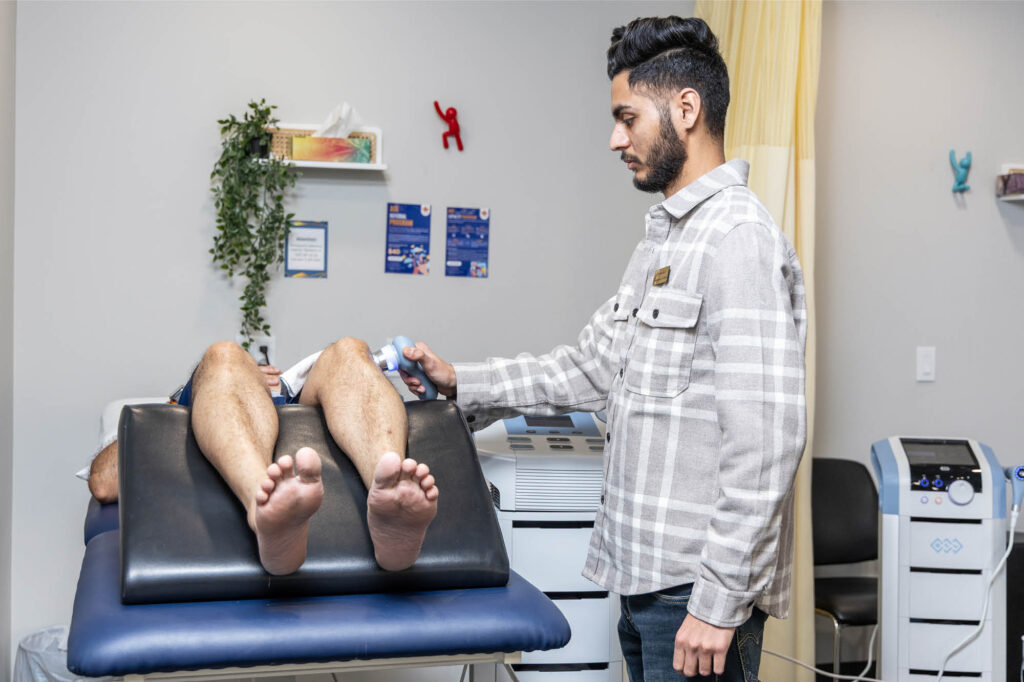
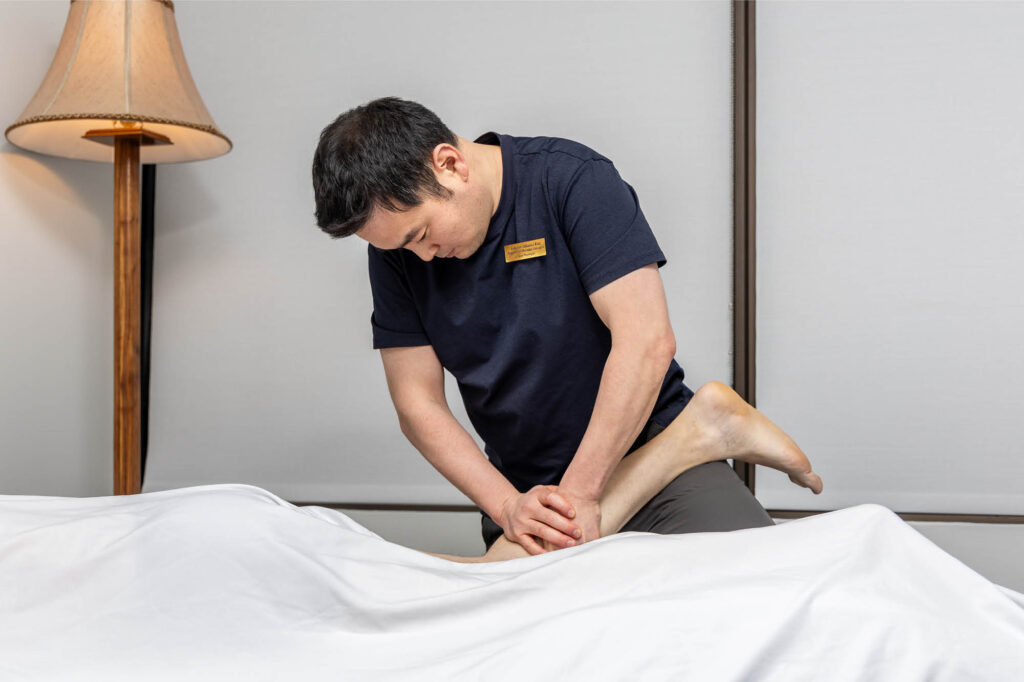
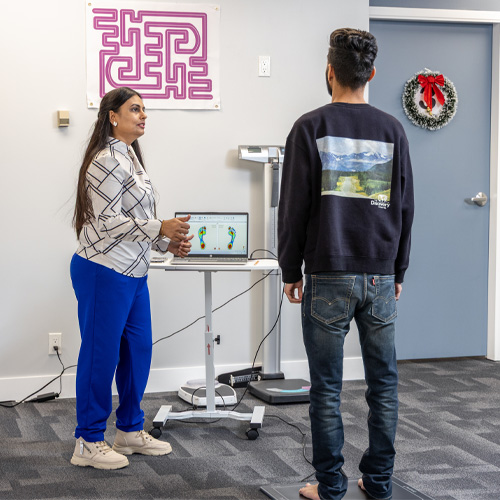
Pain isn’t weakness leaving your body – it’s your body telling you something isn’t right. If you notice discomfort during or after your runs, schedule an appointment with Ace Physique. Our multidisciplinary team will assess your symptoms and create a personalized care plan that aims to restore strength, improve mechanics, and support long-term performance. Treatment techniques might include:
- Chiropractic adjustments when joint mobility is restricted
- Personalized strength training
- Gait analysis and movement correction
- Massage therapy for recovery support
- Acupuncture for pain management
Our Team Is Here to Help!
Spring is the perfect season to build smart training habits. Whether you’re experiencing current knee pain or simply want to make sure your body is ready to hit the trails, reach out to Ace Physique.
Our multidisciplinary team is ready to help you hit your running goals.
More to Explore
Protecting Your Knees with Custom Orthotics
Running is a great exercise, but it does place repeated stress on your body. Every time your foot strikes the trail, force reverberates up through the feet, ankles, and knees. Over time, poor foot mechanics can shift that force in ways that irritate the knee joint.
However, custom orthotics from Ace Physique can help correct that problem.
How Foot Mechanics Affect the Knee
The foot acts as the body’s first shock absorber. If it rolls inward too much during running, the shin and knee rotate inward as well. This increases stress on the kneecap and surrounding tissues, increasing your risk of developing runner’s knee or other knee pain.
Custom orthotics help guide the foot into a more stable position, reducing abnormal motion that travels up the leg.
Three Ways Custom Orthotics Support Runners
Improves Force Distribution
- Helps distribute impact forces more evenly through the foot, reducing repeated stress on the foot and knee joints and soft tissues in the leg
Encourages Better Knee Alignment
- Helps keep the knee tracking properly during running
Improves Muscle Efficiency
- Reduces strain on stabilizing muscles in the hips and legs, which allows muscles to work more efficiently during longer runs
A Comprehensive Approach Matters
Orthotics work best when used as part of a broader care plan focused on building strength and addressing improper biomechanics. We’ll start by evaluating your foot mechanics, muscle strength, and running movement patterns. Treatment may also include:
- Custom orthotic fitting
- Strengthening programs for hip and knee stability
- Gait assessment for running technique
- Massage therapy to reduce muscle tension
Support Your Running Goals with Ace Physique
If knee pain is limiting your runs, proper foot support may help.
Book an assessment with our multidisciplinary team to learn whether custom orthotics could improve your comfort, alignment, and long-term running health.
Exercise of the Month
HEEL SLIDES LONG SIT
Hold a weight in your hand. Slightly bend your knees and bend at your waist to bring your torso forward. Make sure your back remains flat and about parallel to the floor. Pull the weight towards you. Make sure your elbows stay close to your body. Slowly return to the starting position.
3 Sets, 10 Reps. (Materials needed: dumbbells)
Service Highlight
How The GLA:D Program Helps Hip and Knee Arthritis
From trouble climbing stairs to difficulty walking around the block, hip and knee arthritis can certainly limit daily life. Fortunately, surgery isn’t your only option. In many cases, structured exercise and education can significantly reduce pain and improve mobility.
At Ace Physique, we combine both of those techniques through the GLA:D Hip and Knee Arthritis Program.
What Is the GLA:D Program?
GLA:D stands for Good Life with osteoArthritis: Denmark. It’s an internationally recognized program designed to help people manage the pain and stiffness associated with osteoarthritis. GLA:D combines education with supervised exercise and focuses on building strength, improving joint control, and teaching people how to manage symptoms long term.
How the Program Works
GLA:D follows a structured format led by our trained physiotherapists. Over the course of seven weeks, you’ll take part in group sessions that include:
Two Education Sessions
- Learn how arthritis affects the joints and how movement supports joint health.
Twelve Supervised Exercise Sessions
Exercises in these sessions focused on strengthening muscles that support the hips and knees. We emphasize neuromuscular control to help muscles and joints work together more efficiently.
Detailed Progress Tracking
- Mobility, pain levels, and strength are monitored throughout the program, helping you get a good sense of your progress.
Benefits of the GLA:D Program
- Reduced joint pain
- Improved walking ability
- Greater strength around the hips and knees
- Increased confidence with movement
- Less reliance on pain medication
- Encouragement and support from others in the program
Take the First Step Toward Better Movement
The GLA:D Hip and Knee Arthritis Program at Ace Physique provides guidance, exercise, and support in a structured setting. If joint pain is limiting your activity, book an assessment with our team to learn whether this program might benefit you.


Share Your Success Story
Love your experience with Ace Physique? Click the button to leave us a Google review—your feedback helps others find the care they need!
Seasonal Tips

5 Health Benefits of Spring Cleaning!
- Allergy Symptom Reduction. A thorough cleaning can greatly reduce the amount of dust in your home, which is helpful considering dust mite allergies are the number one cause of bronchial asthma in the world. About 2.3 million Americans have been diagnosed with asthma. A 2014 study found that cleaning and decluttering your home can help you avoid allergy symptoms and make you feel healthier.
- Cleanliness Produces Happiness. Maybe you don’t enjoy the process of cleaning, but the end result will leave you smiling. A 2010 study found that having a clean home can improve your mood and reduce your risk of depression. Studies also show that doing housework for 20 minutes can reduce stress and anxiety by up to 20 percent.
- Better Heart Health. If you’re looking for an easy way to support your heart health, just 30 minutes per day of light exercise (including low-intensity physical activities like household chores, vacuuming, mopping, and scrubbing floors) can decrease your risk of heart disease by 24 percent.
- Declutter and Do a Good Deed by Donating. An essential part of a successful spring cleaning is getting rid of old items that are no longer used or worn. Apply the rule of thumb that if you haven’t made use of something in a year, it’s time for it to go. Fill bags and boxes of things, then donate them to a local charity so they can still be beneficial to someone else. Giving to others is an act that is associated with greater self-esteem, lower stress levels, and overall happiness.
- Get a Better Night’s Sleep. Do you have trouble sleeping at night? In a recent poll, it was found that people who make their beds are 19 percent more likely to sleep well on a regular basis. Clean sheets with a fresh scent impacted 75 percent of those individuals polled. See what a difference spring cleaning can make by cleaning the clutter from your room and sleeping on some fresh sheets.
April Word Scramble
olofs
rwhesso
sutpli
aiprodsnr
tlaeacprilr
angrde
Answer Key
fools
showers
tulips
raindrops
caterpillar
garden
Patient Testimonial
What Our Patients Are Saying

“I had an incredible physiotherapy session. I was pleasantly surprised to receive the first session and the entire treatment for free. Physiotherapist Aartee Gorajia was incredibly knowledgeable, considerate, respectful, and understanding. She took the time to ask me about the history while attentively listening, after that she asked exploration questions to better understand the situation, and finally she had me undergo a physical assessment. They used technologically advanced machinery to effectively ease my pain. I can remember now going to the clinic in pain and leaving energized, free of pain. I was even able to run to catch up with the bus without feeling any pain, and was happy that I was able to feel so again after years of pain. I highly recommend them.”
-Adnan A.

Ace Referral Program

We believe that great things should be shared! That’s why we’re excited to introduce the Ace Referral Rewards Program, designed exclusively for our valued clients like you!
Invite a friend or family member to join us, and both of you will get $40 off! Your friend will receive $40 off their first visit, and once they come in, you’ll get $40 off your next visit as a thank you.
Follow Us on Social Media!