Feature of the Month
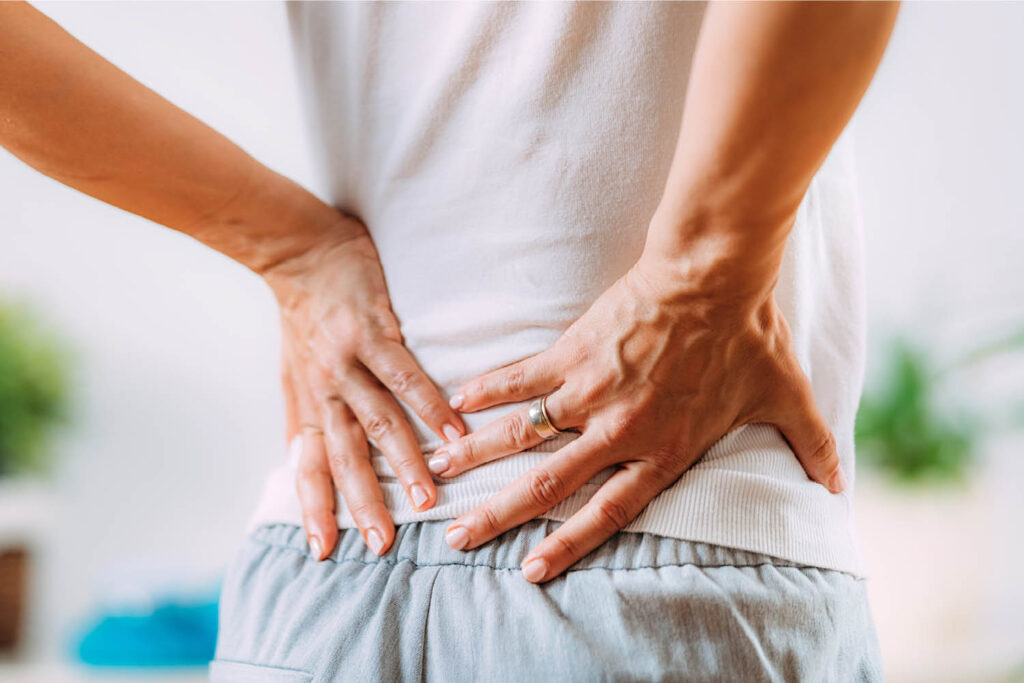
The Relationship Between Lower Back Pain and Pelvic Pain
Most of us will experience back pain at some point in our lives. We might get a little too enthusiastic when moving furniture or develop muscular imbalances due to a sedentary job. But sometimes, back pain isn’t really back pain–rather, it’s rooted in dysfunction in your pelvic area.
Unfortunately, pelvic pain is often harder to discuss than back pain. It often stems from dysfunction with your pelvic floor, the band of muscles that support your bladder, bowels, and genitals. It can also indicate an issue with your sacroiliac joints.
Both back and pelvic pain can strike men and women–but women do tend to have more issues with pelvic pain, including pelvic-related back pain. Bodily changes during pregnancy are an especially common culprit.
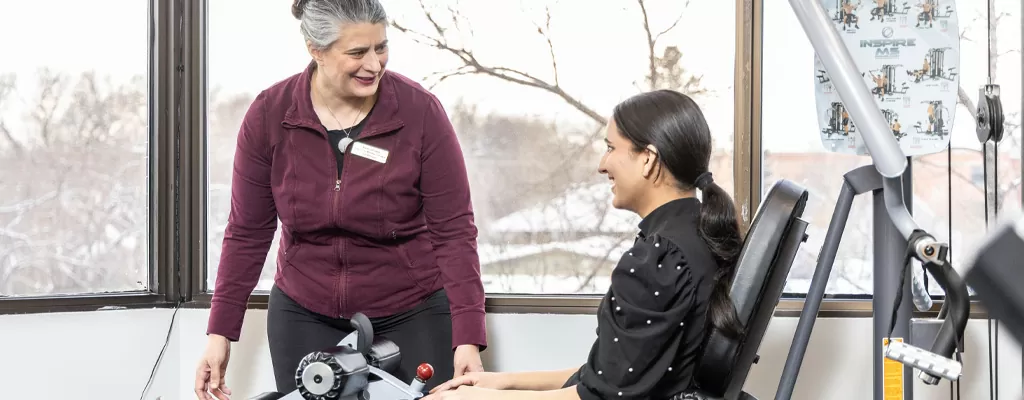
If you’re dealing with pain in your lower back or pelvic area–or both–the multidisciplinary team at Ace Physique can help determine the source of your pain and create a care plan that meets your needs.
Understanding the Causes of Lower Back and Pelvic Pain
Lower back pain is widespread and has several potential causes, including herniated discs, sprains and strains, poor posture, and spinal arthritis–not to mention various contributing factors like poor posture or muscular weakness.
But if that pain spreads into your pelvic area, there may be something else going on. In fact, lower back pain without a clear underlying cause often stems from dysfunction in the pelvic area, such as the following:
- Impaired pelvic floor: Did you know that your pelvic floor muscles make up part of your core, which supports and stabilizes your spine? If your pelvic floor muscles are struggling to coordinate with the rest of your core, your back muscles have to do more work to compensate, which can make your back feel tight and fatigue faster.
- Sacroiliac joint dysfunction: The sacroiliac joint is the joint that links the spine to the pelvis, so it should be surprising that if something’s wrong there, you may feel pain in both your lower back and your pelvic area. Arthritis, injury, and pregnancy can all cause issues in the sacroiliac joint.
- Pregnancy: Pregnancy itself is a common cause of pain throughout the lower back and pelvic area. There are two main reasons for this:
- Hormonal changes cause your ligaments to become looser in preparation for childbirth, which means your surrounding muscles have to work much harder to keep your lower back and pelvis steady.
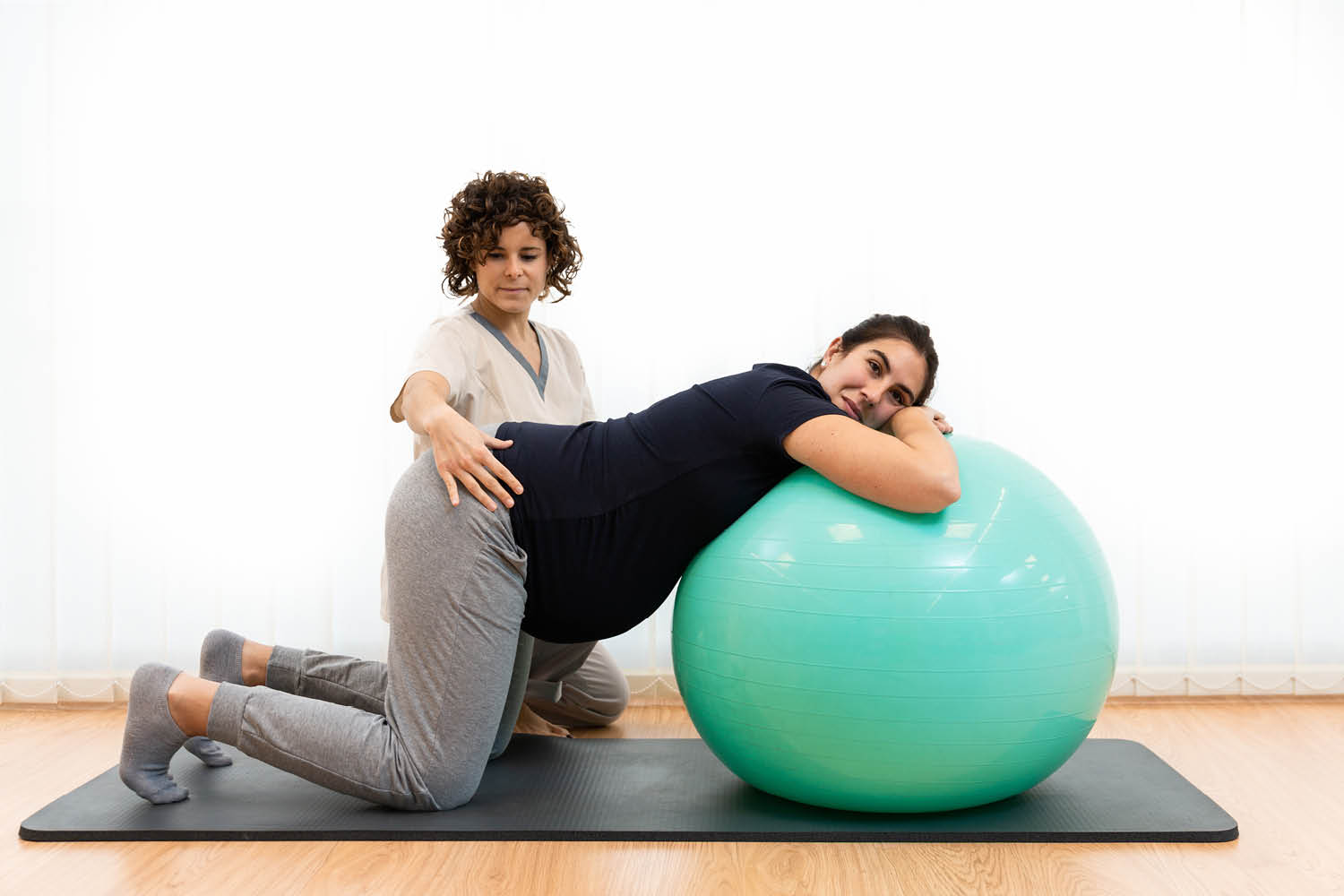
- As your center of gravity shifts, your growing baby can force it forward, increasing the daily workload on the muscles and connective tissues around your hips and spine.
Helping You Find Relief, No Matter the Source
When it comes to pain in your lower back and pelvis, our team’s first step is to identify the source of your pain. That way, we can provide the right blend of physiotherapy, chiropractic care, acupuncture, and massage therapy to help resolve the pain at its root rather than merely treating symptoms.
We’ll begin with a comprehensive evaluation. We provide a welcoming, discreet space where you can freely share your symptoms, including pelvic-related symptoms that might feel embarrassing. Make sure you share:
- The exact location of your pain
- The pain’s sensations. Is it burning? Dull? Aching?
- When do you feel pain? Is it persistent? Do you mostly notice it when you wake up?
- Any restrictions in range of motion you might be experiencing
- Any pelvic-related symptoms you might be experiencing, such as incontinence or sexual dysfunction
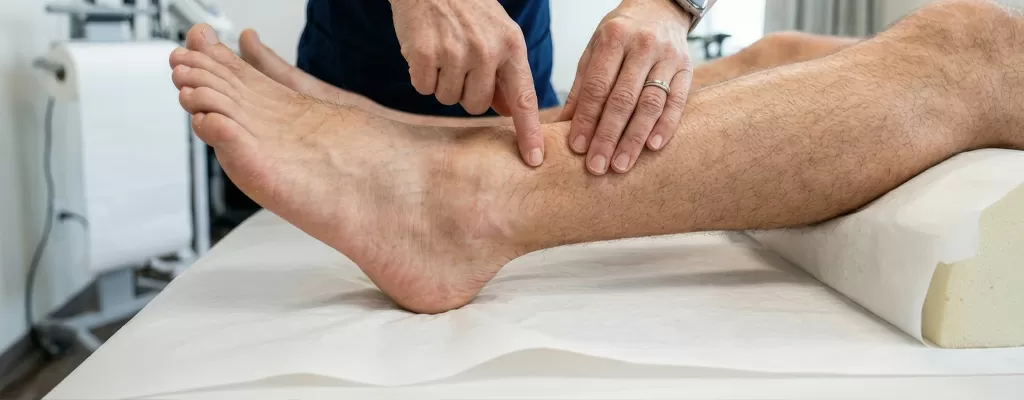
Once we’ve reviewed your symptoms and taken a full health history, we’ll conduct an in-depth physical evaluation, including running several movement screens. All this information helps us determine whether or not your pain is rooted in your lower back, pelvic area, or somewhere else–and that helps us develop your personalized treatment plan.
Targeted Treatments So You Can Find Relief
Our treatment plans will vary based on your exact needs. In general, though, we aim to help you with the following:
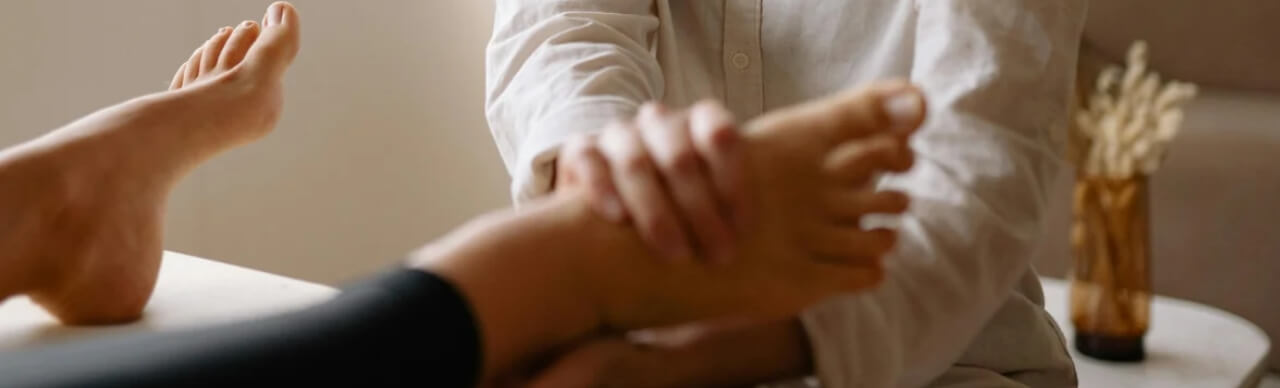
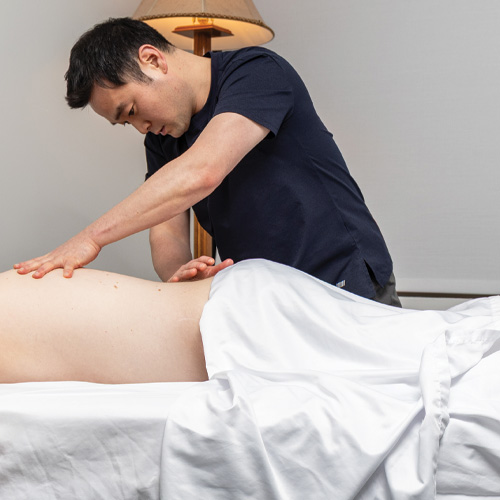
- Find immediate pain relief through massage therapy or acupuncture
- Improve mobility through targeted range of motion exercises or chiropractic adjustments
- Strengthen any weakened or impaired muscles, whether in your back or pelvic floor
- Personalized pelvic floor physiotherapy to address any pelvic or pregnancy-related concerns
- Provide you with the tools you need to avoid future bouts of pain
Call Us Today To Get Started!
If you’re struggling with back or pelvic pain, the integrated team at Ace Physique can help you get to the bottom of things. Call to make your appointment today!
More to Explore
A Quick Introduction to Pelvic Floor Physiotherapy
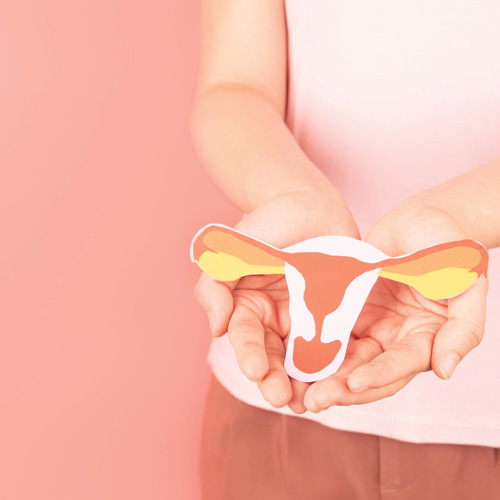
When was the last time you thought about your pelvic floor? This sling of muscles isn’t visible, but it plays a significant role in our overall health and well-being:
- It makes up part of our core muscles, which help us move better and more effectively.
- It supports our pelvic organs–bowels, bladder, and, in women, genitals.
- If it’s impaired, you can suffer a range of symptoms, from pain to sexual dysfunction.
Pelvic floor physiotherapy is a specialized form of physiotherapy that focuses on matters of the pelvic floor. It uses the same principles as standard physiotherapy, including identifying the source of your discomfort and providing you with a personalized treatment plan.
What Can I Expect From Pelvic Floor Physiotherapy?
- Help with pelvic-related conditions, such as incontinence, pelvic pain, sexual dysfunction, or pelvic prolapse.
- A discreet space where you can freely share symptoms and work with a therapist specially trained in women’s health and/or pelvic floor issues.
- Guidance in identifying the deep muscles that might be causing your symptoms, such as your pelvic floor, deep abdominals, or diaphragm. These muscles are not visible, so learning how to activate them can be a challenge.
- Information about using these muscles correctly and targeted exercises to stretch and strengthen them.
- Simple pelvic floor exercise plans that you can do at home.
At Ace Physique, we often integrate pelvic floor physiotherapy with other treatment techniques we offer, such as acupuncture to relieve pain or chiropractic care to improve spinal function.
If you’d like to learn more about what it can do for you, call us today!
Exercise of the Month
DOUBLE KNEES TO CHEST
Start on your back with your knees bent. Slowly bring both knees to your chest. Grasp your knees. Hold for 30 seconds and repeat.
1 Set, 3 Reps

Share Your Success Story
Love your experience with Ace Physique? Click the button to leave us a Google review—your feedback helps others find the care they need!
Seasonal Tips
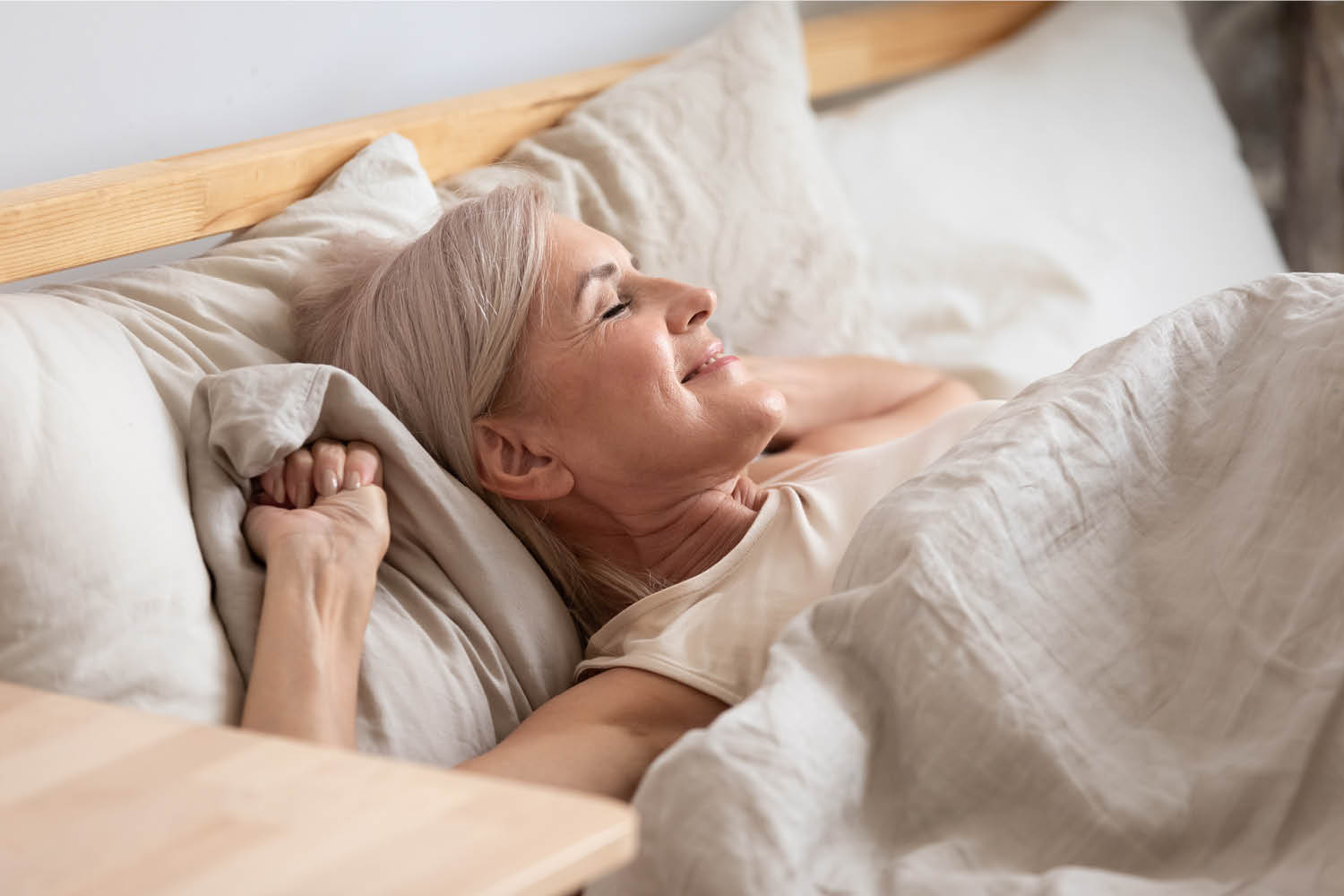
The Importance of Rest and Relaxation for Your Physical Health
Did you know that August 15th is unofficially known as National Relaxation Day? At Ace Physique, we always strive to highlight the importance of rest and relaxation for your mental, physical, and emotional well-being. Here are some ways to celebrate National Relaxation Day:
Take a Breath:
Get Some Sleep:
Digital Detox:
Try Acupuncture or a Massage:
This National Relaxation Day, remember that taking time to relax is not just a luxury but a key element in maintaining a balanced, healthy lifestyle!
July Word Search
Canadian Summer Edition
Find These Words
Patient Testimonial
What Our Patients Are Saying

Real stories from patients who trusted Ace Physique to help them move better, recover stronger, and feel supported every step of the way.
Aartee did an excellent job. I had pain in my arm, and during the first session, it disappeared. She is very knowledgeable and professional, and the staff at the front desk are very polite.”

Ace Referral Program

We believe that great things should be shared! That’s why we’re excited to introduce the Ace Referral Rewards Program, designed exclusively for our valued clients like you!
Invite a friend or family member to join us, and both of you will get $40 off! Your friend will receive $40 off their first visit, and once they come in, you’ll get $40 off your next visit as a thank you.
Follow Us on Social Media!